
The Retainer Customer Success Framework
A Customer Success Framework is a structured approach that businesses use to ensure customers achieve their desired outcomes while using the product or service. It involves a series of processes, strategies, and tools designed to proactively engage with customers, drive adoption, and foster long-term relationships.
The framework typically includes elements such as onboarding processes, customer engagement strategies, metrics for success measurement, and ongoing support mechanisms.
With every business being unique, there is no one-size-fits-all approach; The complexity of the CS framework should match the scale and needs of each business.
We can still, however, delve into at a comprehensive approach to building a Customer Success Strategy by exploring the core components.
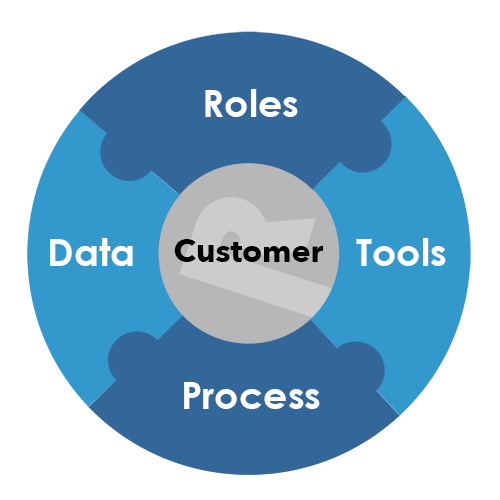

Roles
Identifying the various roles needed in a Customer Success team will depend on the maturity of the organization, perhaps starting with a role wearing many hats and then evolving to become more specialized over time as the business grows. These roles are defined by the key responsibilities and interactions that team members will have with customers.
- Customer Success Manager (CSM): Acts as the main point of contact for the customer, responsible for overall customer satisfaction, retention, and growth.
- Onboarding Specialist: Ensures smooth onboarding, understanding of the product, and sets the right expectations.
- Renewals Manager: Focuses on ensuring renewals by proactively engaging with customers nearing the end of their contract.
- Customer Support Representatives: Handle day-to-day support inquiries and troubleshooting.
- Product Specialist/Trainer: Provides in-depth product knowledge and training sessions.
- Data Analyst: Supports the team by analyzing customer data to identify trends and opportunities for improvement.

Tools
The tools that are part of a Customer Success strategy are the platforms and technologies used to facilitate customer interactions, track metrics, and optimize workflows.
- Customer Relationship Management (CRM): Centralizes customer data, interactions, and history.
- Customer Engagement Platform: Facilitates communication through emails, in-app messages, and notifications.
- Customer Feedback Tools: Surveys, NPS (Net Promoter Score), or CSAT (Customer Satisfaction) tools to gather feedback.
- Analytics and Reporting Tools: Provides insights into customer behaviour, usage patterns, and health scores.
- Knowledge Base/Help Desk Software: Central repository for articles, FAQs, and troubleshooting guides.
Process
The processes are the structured methods and procedures that guide how customer interactions and engagements are managed.
- Onboarding Process: Clearly defined steps to guide customers from sign-up to successful product adoption.
- Check-In Cadence: Establish regular touch points to gather feedback, assess satisfaction, and offer assistance.
- Renewal Process: Clearly defined steps to manage renewals, including proactive outreach and negotiation if needed.
- Escalation Path: Clearly defined process for escalating issues to higher levels of support or management.
- Knowledge Base Development: Continuous improvement and expansion of self-service resources for customers.

Data
The data is a crucial component of a successful CS strategy, providing insights that drive decisions and actions to enhance customer experiences.
- Customer Health Score: Aggregate score indicating the overall health and satisfaction of each customer.
- Net Promoter Score (NPS): Measures customer loyalty and satisfaction.
- Customer Churn Rate: Percentage of customers who stop using the product or service.
- Expansion Revenue: Revenue generated from upsells, cross-sells, or additional services.
- Time to Value: Average time it takes for a customer to fully onboard and start using the product effectively.
- Customer Satisfaction (CSAT): Measures customer satisfaction with specific interactions or experiences.

Customer
At the core of a Customer Success Framework is the customer, with their needs, goals, and satisfaction being the focal point of all strategies and actions.
All of the surrounding elements converge to ensure the success, satisfaction, and retention of the customer. By integrating these components effectively, your Customer Success Strategy can achieve its goal of maximizing customer value and fostering long-term relationships with your customers.
- Customer Segmentation: Tailoring strategies based on different customer segments can enhance effectiveness. High-touch approaches may be necessary for enterprise clients, while self-service options might suffice for smaller businesses.
- Customer Journey Mapping: Detailed mapping of the customer journey helps identify touchpoints where interventions can improve satisfaction and retention.
- Success Plans: Creating customized success plans for each customer, outlining milestones and goals, can drive focus and alignment between the customer and the success team.
- Executive Business Reviews: Periodic reviews with key stakeholders from the customer’s side to discuss progress, ROI, and future plans can strengthen relationships.
Additional Considerations:
While the framework covers many essential aspects of a Customer Success strategy, there are always opportunities to dive deeper or expand based on specific needs. Here are a few considerations to ensure a comprehensive approach:
- Proactive Outreach: Beyond reactive support, proactively reaching out to customers with relevant resources, tips, or updates can deepen engagement.
- Community Building: Facilitating a customer community where users can share experiences, best practices, and tips can foster loyalty and reduce churn.
- Feedback Loop Integration: Ensuring a closed-loop system for gathering, analyzing, and acting upon customer feedback is crucial for continuous improvement.
- Education and Training: Offering ongoing education and training resources ensures customers maximize the value of the product.
- Predictive Analytics: Utilizing predictive analytics to foresee potential issues or opportunities for customers can prevent churn and drive upsell opportunities.
- Cross-functional Collaboration: Aligning Customer Success efforts with Sales, Marketing, and Product teams ensures a cohesive approach to customer experience.
- Continuous Iteration: Regularly reviewing and updating the framework based on feedback, trends, and outcomes ensures its relevance and effectiveness.
- Metrics Alignment: Ensuring alignment between KPIs and the company’s overall goals avoids focusing on metrics that don’t drive meaningful outcomes.
The complexity of the framework should match the scale and needs of the business, by considering these elements, your Customer Success Strategy will be robust, tailored, and impactful for your business and its customers.